After a forced two-year pause due to Russia’s full-scale invasion of Ukraine, in 2024 VESCO resumed clay extraction in Donetsk Oblast and is once again investing in development. A year earlier, the group’s Spanish subsidiary began developing its first deposit in the EU. Today, VESCO’s plans encompass not only readiness for wartime challenges but also new products and new markets.
On transformation and modernization during the war, support for employees and the defense forces, investment intentions, and their geographic scope, NADRA.INFO speaks with Evgeniy Tsymarman, CEO of VESCO in Ukraine.
NADRA.INFO: Evgeniy Vitaliyovych, let’s start with some context, which is relevant after last year’s VESCO news about the start of clay mining in Spain. What does VESCO look like today: where does it operate and what does it extract?
Evgeniy Tsymarman: Unlike in 2021, today VESCO is no longer just a group of Ukrainian companies. The group has become global.
I manage the VESCO group of enterprises in Ukraine, which includes clay extraction companies PJSC VESKO, PJSC Druzhkivka Mining Administration, PJSC Ogneupornerud, JSC Chasiv Yar Refractory Plant, LLC YUMDJI Kaolin, and LLC YUMDJI Invest. The group’s main enterprises are leading producers of ceramic raw materials in Ukraine. And our Ukrainian group is already part of the international VESCO group.
We began scaling our business in European countries and diversifying our portfolio—adding new products—back in 2020, before the full-scale invasion. That same year, two companies joined us: VESCO Clay Spain (Spain) and VESCO Clay Italy (Italy). This was the starting point for developing the international VESCO group, which today unites companies in Ukraine, Italy, Spain, Romania, Poland, and Serbia. Today, the ceramic raw materials of the international VESCO group are known in more than 20 countries worldwide. The total production capacity for ceramic raw materials can reach 3.5 million tons per year.
VESCO in Ukraine is today the most important part of our international group. We produce the largest share of the product sold by the global VESCO group.
The international VESCO group invests not only in the development of extraction and processing in Ukraine but also in other markets worldwide. Meanwhile, VESCO in Ukraine focuses on a strategy of diversification and adding new products to the portfolio—right here in Ukraine.
Our primary focus remains on ceramic raw materials (clays, kaolins, and feldspar), but we are also exploring other materials that can be mined through open-pit methods and do not require very deep processing (limestones, dolomites, bentonite clays, sand). We are even keeping a peripheral eye on the salt market.
And our main priority right now is the stable operation of all assets and ensuring the safest possible working conditions for our employees.
We can return to the plans later. Tell us about the clays displayed at the stand – are they all yours?
Yes, almost all the samples are clays from our various quarries.
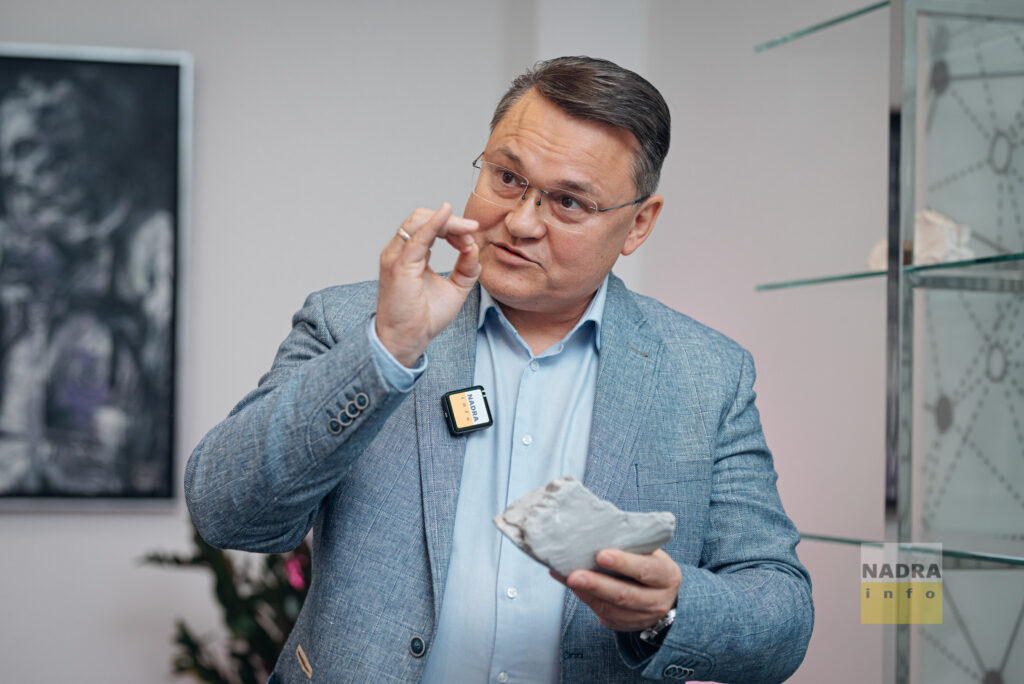
This is the highest grade of Ukrainian clay for ceramics. It is highly plastic and, after firing, will be perfectly white.
By the way, did you know that tiles aren’t made primarily from clay?
What do you mean?
Today, tiles are produced using the dry-press method, and their main material is feldspar. Tile production is a complex process. But to put it simply, the main composition of the mixture is roughly up to 60% feldspar (sometimes even more), around 10% sand, and only up to 40% clay.
So, clay isn’t the main component by percentage, but it acts as a binder, holding all the other granular materials together so the tile can be transported to drying and then to the kiln, where the feldspar and sand melt to form the tile. After firing, the clay’s role is to not interfere—for example, it shouldn’t shrink too much to avoid cracking. The clay also needs to be white after firing, so it doesn’t color the product unless intended by the technologist. Additionally, it should have minimal water absorption to ensure frost resistance, and in the slurry, it must be very fluid so it doesn’t clog the production pipelines.
Ukrainian clays once revolutionized the tile production market in Europe. In the 1990s, after the USSR collapsed, Ukrainian clay was mainly used in insulators, tableware, sanitary ceramics, and refractories. Its use in tile production was much smaller than today.
It was then, in Italy, Spain, and other “ceramic countries,” that the dry-press method began to develop. When we introduced Ukrainian clay to Italian technologists, they realized: here is the component they had long been searching for, one that could finally bind feldspar and sand effectively! It was our Ukrainian clay that gave a boost to the entire ceramic industry—the production of Gres Porcelanato, or what we call “porcelain stoneware.”
Which clay is most similar to the one VESCO started mining in Spain?
The Spanish clay is roughly like this… It’s also white, but not as plastic as ours.
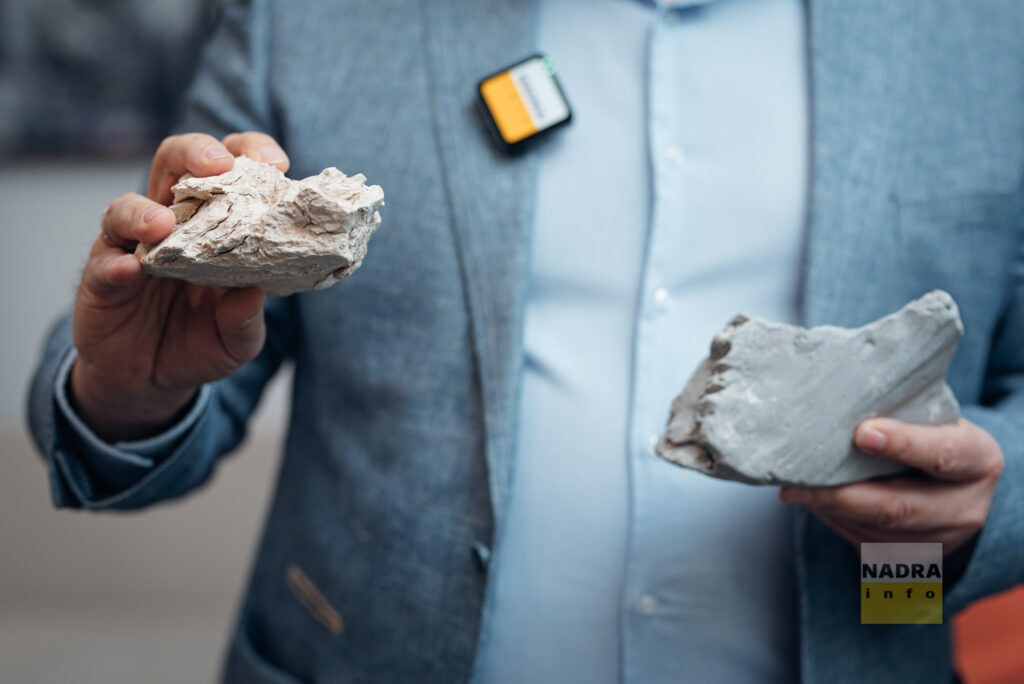
But for tiles, such high-quality clay like our Ukrainian one is not always necessary – you can use something simpler. For example, if you mix ours with the Spanish clay, it’s just what you need.
We met in the fall of 2021 in Donbas, when VESCO opened its 17th quarry at the “Pobeda” deposit. Have you managed to start industrial extraction? How many kilometers is the quarry from the front line today?
20 kilometers plus. But yes, we started extraction and are working as much as possible.
After the full-scale invasion by the Russian Federation, has your group temporarily lost any assets?
The Chasiv Yar plant, which joined our Group shortly before the full-scale war (the AMC approved the deal in December 2020 – Ed.). Because it has been on the front line for some time, access to equipment, buildings, and deposits has been lost.
How has the full-scale war affected the clay market in Ukraine and Europe?
Since the start of the full-scale invasion, sales of Ukrainian clay have fallen sevenfold – by 86% (comparing 2023 results to 2021, excluding 2022). This concerns all Ukrainian clay producers, including VESCO in Ukraine.
The main reason is that some enterprises, like our Chasiv Yar plant, ended up on the front line in the combat zone.
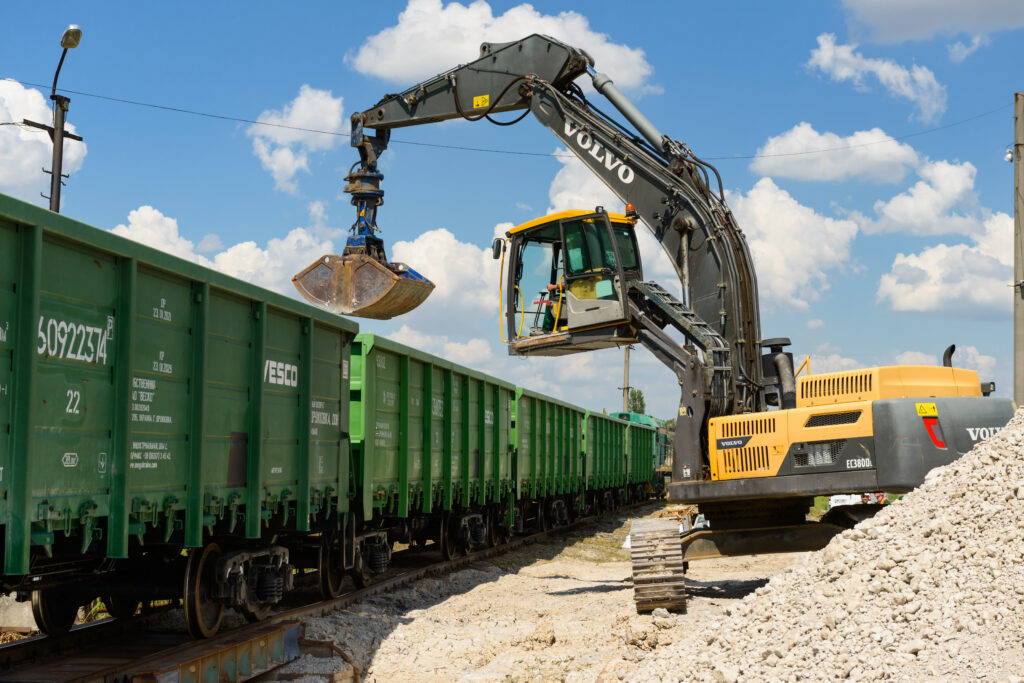
Another reason is completely disrupted logistics. The optimal route for clay export is by sea. And what happened to sea logistics at the beginning of the invasion – no need to remind. So we had to look for other ways. Rail transport became an alternative, but it is much more expensive and has lower throughput.
When our European clients saw this, they were very concerned that Ukrainian clay might completely disappear from the market. Some even started switching to other clays – replacing our raw material.
Whose clays did European clients start using to replace Ukrainian clay?
German, Turkish, Spanish, as well as clays from Balkan countries. Our technologists had to work hard, and the market quickly found replacements, which somewhat reduced demand for our products.
Besides the war, demand was also affected by stagnation in the global ceramic tile market. Total production in Italy, Spain, Turkey, Poland, and Ukraine fell by 23% – from 1,630 million m² of tiles in 2021 to 1,260 million m² in 2023. One of the main underlying reasons for this is the increase in energy prices and their limited availability.
All of this together led to a more than sevenfold drop in sales of Ukrainian clay.
Naturally, this situation affected the results of the Ukrainian VESCO group.
Before the full-scale invasion, we produced around 3 million tons of ceramic raw materials and sold almost all of it. By 2022, sales dropped to 800,000 tons, and 2023 became the worst year in the group’s history, with only 500,000 tons of clay sold.
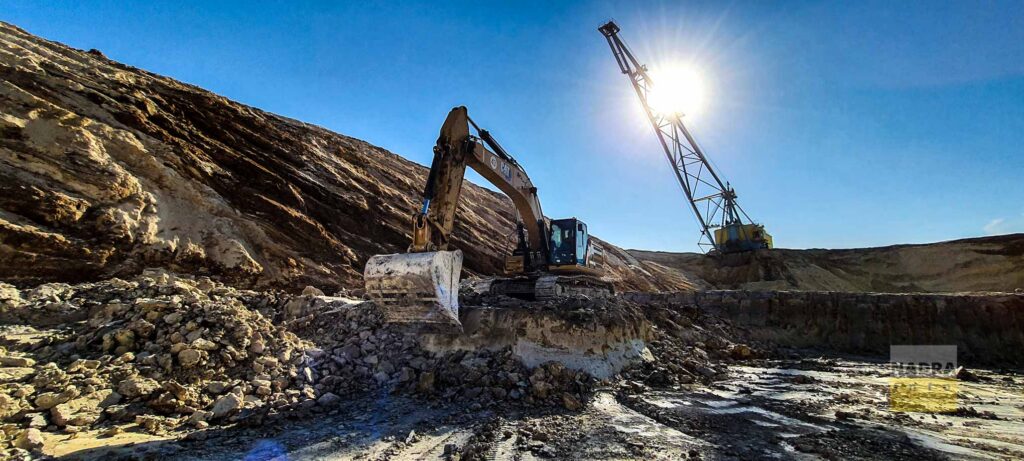
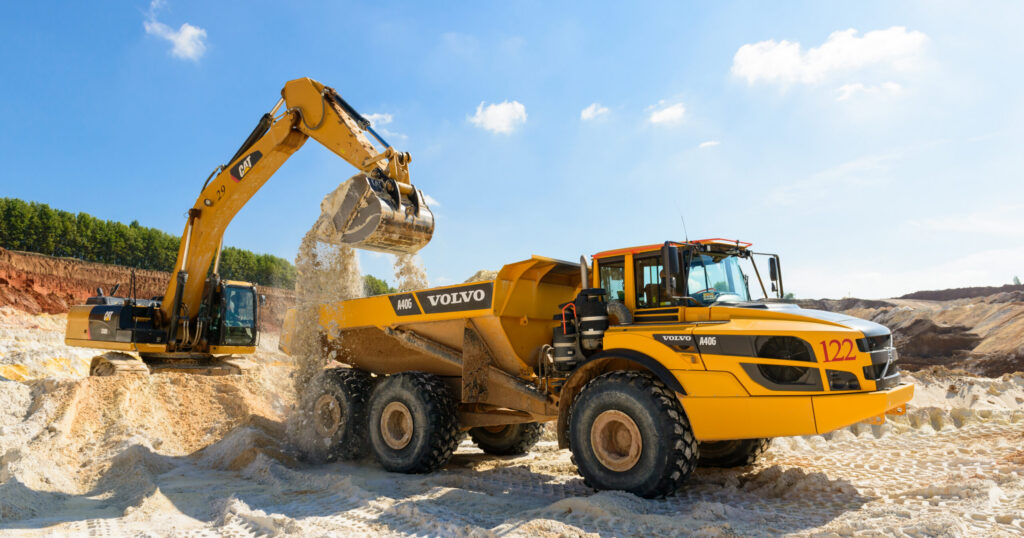
At the VESCO quarry, Ukraine, 2021.
And in 2022 and 2023, we did not extract anything at all. All demand was met with clay from existing stockpiles. That was the most difficult period. It negatively affected both the rational use of our group’s resources and our financial results. But we survived that period; in 2023, sea logistics began to reopen, and 2024 became our first relatively successful year since the start of the full-scale invasion, because we resumed extraction.
How much have you extracted and shipped this year?
To date, we have extracted over 600,000 tons of clay. We have also begun overburden removal work.
Regarding the shipment of ceramic raw materials, over 1 million tons of finished products have already been sent to customers and port warehouses, which is 35% of the pre-war level (for comparison, in 2022, over the same period, given that the first almost two months were peaceful, we shipped 804,800 tons).
Yes, 1 million tons is still not 3 million tons as before the invasion. But this is a volume at which we can already use our resources rationally: load equipment and personnel, properly organize the work of quarries, warehouses, and shipping sites, and ultimately show decent financial results.
In October 2023, you promised to raise wages for Ukrainian group employees for the second time during the war. Did you do it?
Yes, on May 1, we increased the salaries of VESCO group personnel in Ukraine by an average of 15–19%, depending on the profession.
In addition, we resumed investments in development for the first time.
In 2024, we invested over UAH 16.4 million in production, of which UAH 12 million was allocated to the quality of our clays – because the quality of VESCO clays is, without exaggeration, already a global brand, and we cannot afford to lower the standard. That is why we invested in relocating and upgrading the physical-chemical testing laboratory, which ensures stable quality.
You mean the laboratory in Druzhkivka? Did you not plan to evacuate/relocate it to another city, farther from the front line?
Yes, we are talking about our laboratory.
After the full-scale invasion began, we were forced to evacuate most of the expensive equipment to a safer region.
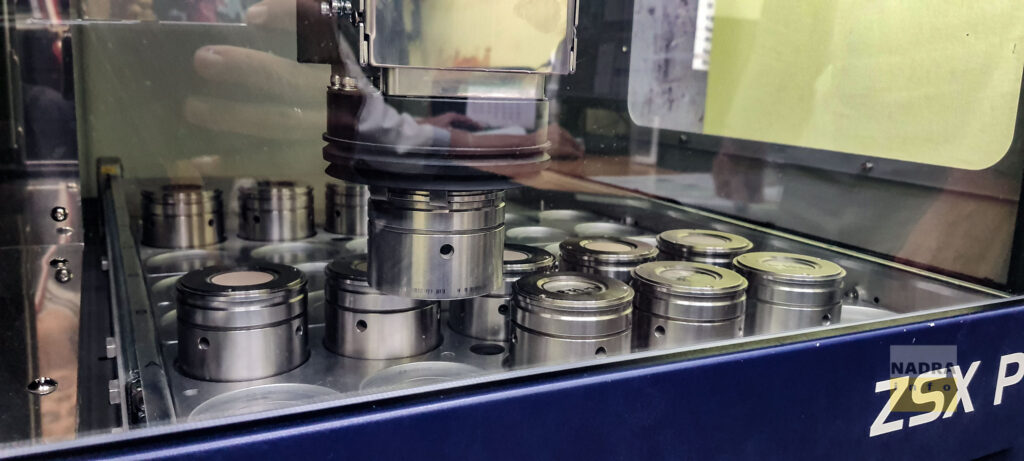
At the VESCO laboratory. Ukraine, 2021.
Today, we have once again equipped the laboratory with new equipment, optimized for performing the full spectrum of laboratory tests, costing 12 million UAH, which ensures continuous quality control of our products.
At the same time, we understand that all our work depends on events at the front line, that we are reliant on our defenders. Therefore, we support the requests of our armed forces, and over the past 10 months, we have allocated more than 5.4 million UAH to support the Armed Forces of Ukraine, territorial defense units, and communities to strengthen the country’s defense capabilities. In addition, wherever possible, we provide assistance with both equipment and personnel.
Considering the laboratory’s proximity to the front line and the potential danger to employees, have you implemented additional insurance packages?
We have always been a responsible employer and have always insured our employees and their health. We continue this insurance. No additional packages have been introduced.
Additionally, we have set up shelters and organized operations so that employees and their families can be evacuated from potentially dangerous zones at any moment, and so on.
In short, today we are operating at the maximum of our capacities and capabilities and are ready for any scenario.
By the way, the direct proximity of our enterprises to the front line forces us to manage them almost manually. Every day begins with assessing the situation at the front line, and based on that, we make decisions on how we will operate that day.
Do you personally visit Druzhkivka often?
I do. I wouldn’t say often, because my responsibilities cover all of Ukraine. But I try to visit and support our people.
We also feel the impact of the war in terms of mining being largely male-dominated professions, while men are needed in the military. Therefore, we are already preparing plans to involve women in these professions, including training and retraining.
Do you plan to do this on your own, or will you involve external training centers? I ask because at the Quarry Industry conference in October, Alef-Stroy presented a training program for female excavator operators, and they already have their first graduates.
Even before the full-scale invasion, we had our own “training complex” (“Educational Complex”), with licenses to train for our key professions, fully equipped classrooms, and specialists. Therefore, we can handle this ourselves. However, if there are good proposals, we are open to cooperation. After all, if only one woman wants to train, running the whole training complex would be impractical. But integrating her into a group already formed by others – why not?
There were surprising announcements from the group during the war about reclamation and returning restored land to communities…
Yes, we continue to responsibly manage subsoil use and treat reclamation, the final stage of the full mining cycle, with full accountability.
Over the first nine months of this year, 27 hectares of restored land were returned to Ukrainian communities (Andriivska rural territorial community of Kramatorsk district and Shakhivska rural territorial community of Pokrovsk district, Donetsk region), of which 8 hectares are arable land and 19 hectares are pastures. The accumulated expenses over previous years for carrying out restoration work on this area amount to 8.1 million UAH.
Overall, during the war period (2022–2023 and the first nine months of 2024), 135 hectares of reclaimed land have already been returned to Ukrainian communities (8 hectares of arable land, 114 hectares of pastures, 13 hectares of forest plantations). The accumulated expenses over previous years for carrying out restoration work on this area amount to 64.8 million UAH.
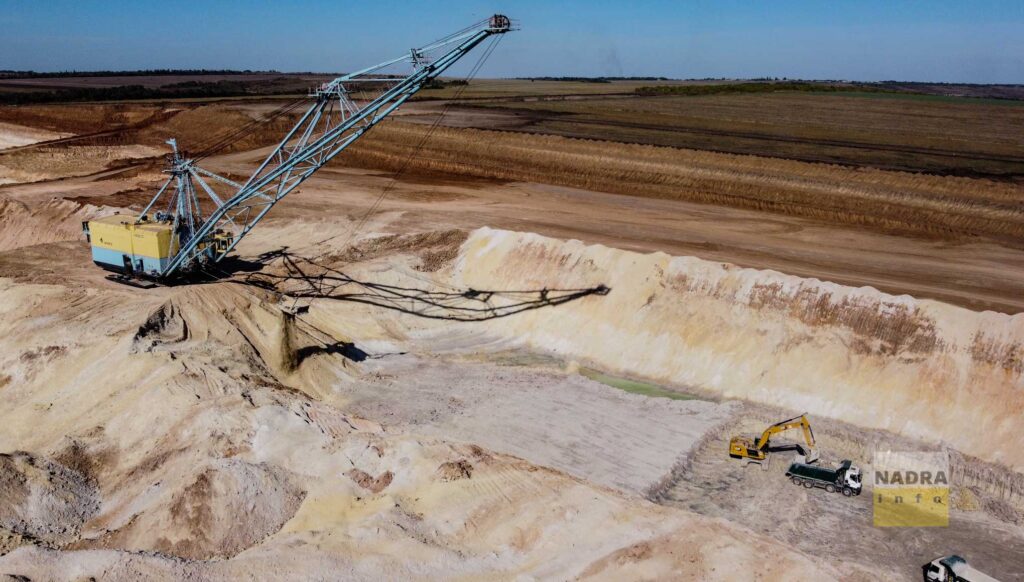
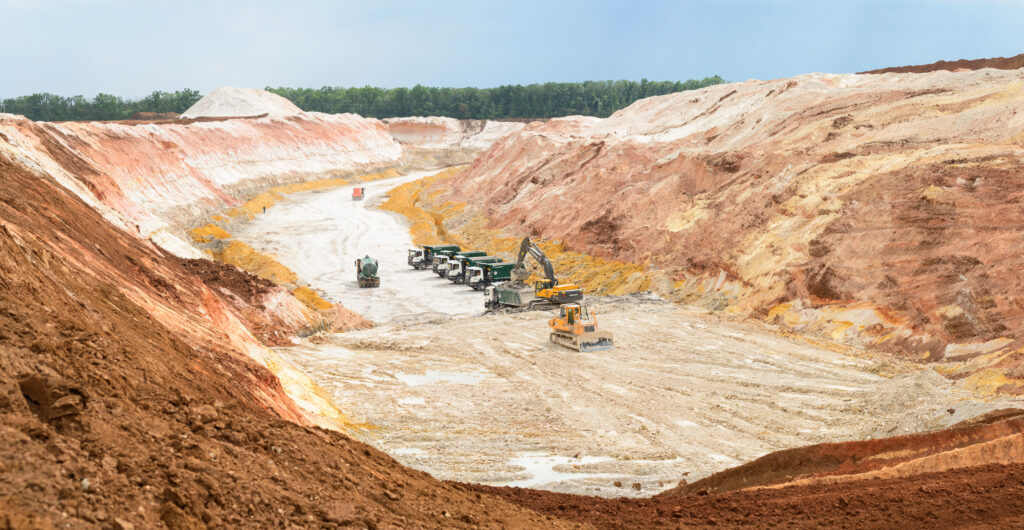
At the VESCO quarry. Ukraine, 2021.
We understand that our enterprises are budget-forming for local communities. Many communities depend on the normal operation of VESCO. Therefore, we see ourselves not only as a responsible employer but also as a reliable partner for communities and local administrations.
What are the plans for 2025?
Despite the fact that our key assets are currently in close proximity to the front line, we plan next year’s budget without expecting a deterioration of the situation. We aim to repeat this year’s results in extraction and sales. We expect demand for Ukrainian clays to recover (although not to the volumes before the full-scale invasion).
But this is our Plan A – in case nothing catastrophic happens. We also already have Plans B, C, and even D developed. We are preparing for different possible scenarios.
First of all, we fully understand that our rail logistics may be disrupted (these risks are present for other clay producers as well). This already happened when there were interruptions at our main station – we had to operate only through the one with smaller capacity. But this line also heavily depends on the situation at the front. We understand this, which is why we are already developing plans for shipments from other alternative stations (names are not published for obvious reasons – ed. NADRA.INFO), preparing stations in Kharkiv region for our needs, and redirecting our clays from the quarries to them. This is so that if logistics are disrupted, we do not waste time setting up an alternative route.
In addition, the trading companies of the international VESCO group maintain safety stocks in their warehouses, and we supply them with Ukrainian ceramic raw materials. This is critically important for foreign clients. To regain the lost market, they need to feel confident that our clay will not suddenly run out. Clients openly say: “We will look at your stock levels and the prospect of stable supplies – if these are ensured, we will place orders with you; if not – sorry.” That is why we also invest in building additional reserves, to have a buffer under any circumstances.
You mentioned that part of the group’s strategic transformation includes minerals that are new for VESCO in Ukraine – limestones, dolomites, bentonite clays, sand, and salt. Are you considering investments in these products through the acquisition of new deposits or by purchasing already operating businesses?
Our plans include investing up to USD 10 million in 5–6 greenfield projects in Ukraine over the next 5–10 years.
But our focus is on organic growth – that is, a gradual increase in production and diversification. That’s why for many years we have been studying information on prospective sites and deposits of these minerals in Ukraine.
As part of this strategy, UMJI Kaolin LLC was granted a five-year special permit for geological exploration of a kaolin deposit with pilot-industrial development of the Ivankivetska site in the Berdychiv district of Zhytomyr region.
It was a notable auction! Have you started work on the site yet?
Currently, we are carrying out preparatory measures for geological exploration, which will begin in 2025. The pilot-industrial development of the site is planned for 2026, with the aim of approving the mineral reserves in 2028 and moving on to industrial-scale extraction.
It is too early to speak of solid prospects for this deposit until the results of the geological survey are available. However, we are ready to invest about $2 million in launching production at this quarry, and we expect to reach the projected production capacity of 50,000 tons of kaolin per year. The start of production will allow us to create 15–20 jobs.
By entering the kaolin market, you could not have missed the resonance after the Verkhovna Rada voted on the so-called resource bill, which sets a minimum price for rent taxation of kaolin extraction – if President Volodymyr Zelensky signs the law, all kaolin producers will pay 5% of $300 per ton of extracted kaolin. Did you build your preliminary financial model for working on the new deposit based on the current tax base, or did you already factor in $300/ton?
So far, we have been working based on the old tax base. And, of course, you understand that at this stage our calculations are fairly approximate, relying on our previous experience and the current tax model.
But I understand why this became a top topic for kaolin producers – because such a tax base is too high for this market. Producers do not have the margin to cover the increased tax, especially now, when logistics are disrupted.
Regarding dolomites: which deposits are you considering, are you ready to buy existing projects – and if so, with whom are you in negotiations?
Firstly, we have extensive experience in limestone and dolomite. Before the full-scale invasion, I was a member of the Supervisory Board and was practically responsible for the operation of the Novotroitsk Mining Administration. After the outbreak of war in 2014, it was the main limestone supplier for the entire metallurgical industry. We developed this enterprise from less than 1 million tons of shipments to over 4 million tons per year (of course, operational efficiency was ensured through synergy with other SCM Group enterprises).
After the full-scale invasion, the mining administration was occupied in the first days, but we preserved the core of specialists. Together, we began studying other limestone deposits in Ukraine. We carefully examined 16 sites. However, the limestones being developed at the greenfield stage are better suited for the cement industry than metallurgy, and therefore do not currently meet our investment criteria.
At the same time, we are closely monitoring the cement limestone market, and if projects arise that meet our investment criteria, we are open to cooperation.
And what are VESCO–Ukraine’s criteria?
We adhere to classical investment criteria when considering new limestone mining projects. First, we assess the quality of the raw material, which must meet technical standards and customer requirements. We pay special attention to reserve volumes – we are interested in deposits with at least 5 million tons, as this ensures long-term stability of extraction. The location of the deposit also plays a crucial role: the logistical distance to the consumer must ensure competitiveness of the limestone through minimal transportation costs.
Economic efficiency of projects is a key factor. We assess them based on projected cash flows with discounting, as the value of money over time changes. The main indicators are payback period, which depending on the strategic importance of the project for the group can range from 5 to 10 years, net present value, which must be positive, and target IRR.
In today’s wartime conditions, forecasting has become significantly more difficult. In such cases, we focus on strategic objectives, conduct scenario analysis, and use sensitivity tables to model different situations in order to weigh risks.
Have you looked at the Negrebivske dolomite deposit in Zhytomyr region? Are you interested in this project?
We have considered it [as a potential investment object], but so far we are not ready to invest there. This deposit was among the 16 sites I mentioned. We continue to monitor developments around this project carefully.
In January 2024, the State Geocadastre auctioned the largest limestone deposit ever sold through online trading – the Maryanske deposit in Dnipropetrovsk region. It is attractive due to its reserves, limestone quality, and logistical distance to Kryvyi Rih. Later it became known that the winner refused to purchase the lot, and the right passed to TOV “Maryansky Quarry,” a stake in which was recently acquired by Natalia Kurkova. Many of our readers and interviewees speculated that the Maryanske deposit could become a joint project of umgi/VESCO and Concorde Capital. Is that the case?
No, that is a separate story.
Although yes, we did develop a business model project for the Maryanske deposit. It showed that this object currently does not meet our investment criteria. That is why we did not participate in the auction.
Regarding Ms. Natalia Kurkova – it is no secret that she worked with us. She is a very experienced financier, knows the mineral market well, knows many people in this market, and began developing independently.
So, this is her personal risk, and there is no VESCO (or shareholder) money in this project?
Yes, there is no VESCO money in this project.
Regarding bentonites. If we exclude sites in temporarily occupied territories (Hryhorivske deposit of TOV “Hryhorivsky Mine” in Donetsk region, Pologivske deposit of TOV “Mining Company ‘Mineral’” in Zaporizhzhia) and those in immediate proximity to the front line (Mykolaiv site of TOV “MIPUFR”, Donetsk region), only two projects remain: Maksymove deposit, Maksymova site of KP “Benta” in Vinnytsia region, and Cherkasy deposit, Dashukivska site of PAT “Dashukivka Bentonites.” With which of them are you in negotiations?
You are getting ahead of events!
Bentonite clays are entirely within our expertise: they are open-pit, very similar to the clays we already work with, and they do not require deep processing.
That is why we have kept bentonite clays in mind for a long time. Primarily because the main purpose of Ukrainian bentonites is for plugging in blasting operations. If metallurgy develops again and blast-performing plants extracting iron ore expand, bentonite clays will again be highly needed. As you understand, the current market is complicated. Therefore, yes, we monitor developments and consider various projects. But to dive into them and hold specific negotiations – not yet.
Kaolins are much more interesting to us than bentonites, as reserves in Ukraine amount to around 480 million tons, and from the available deposits we can select those worthy of investment.
In 2022–2023, rumors circulated in the market that after Russian troops captured clay deposits and warehouses in Donetsk region, there were attempts to supply this stolen clay to the European market. Are you aware of such facts?
No, I am not aware of such facts.
Our warehouses – none were occupied.
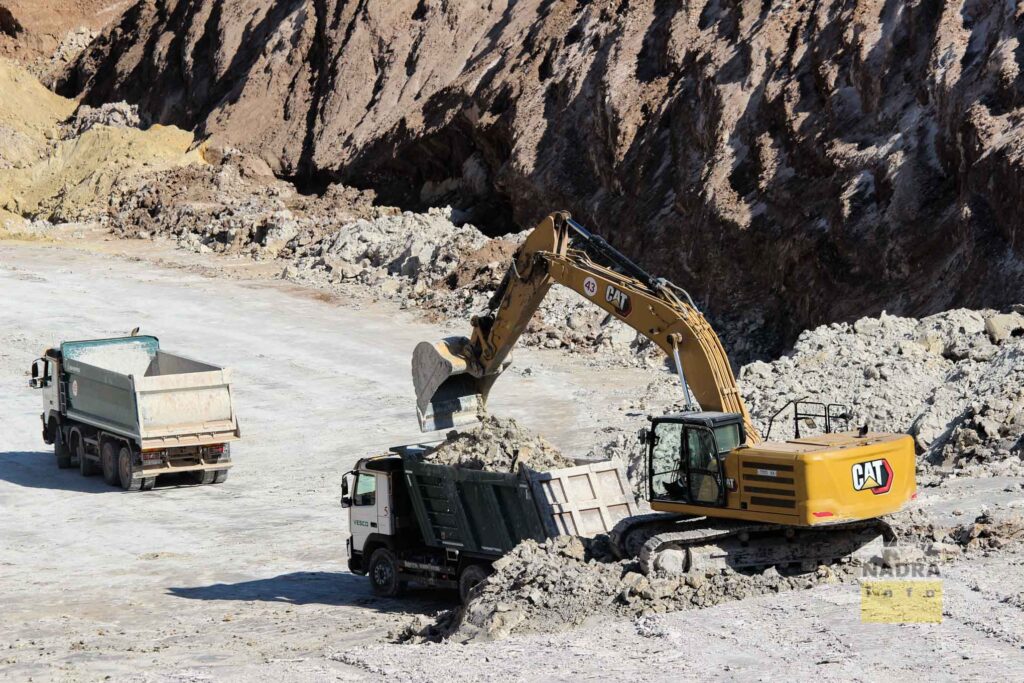
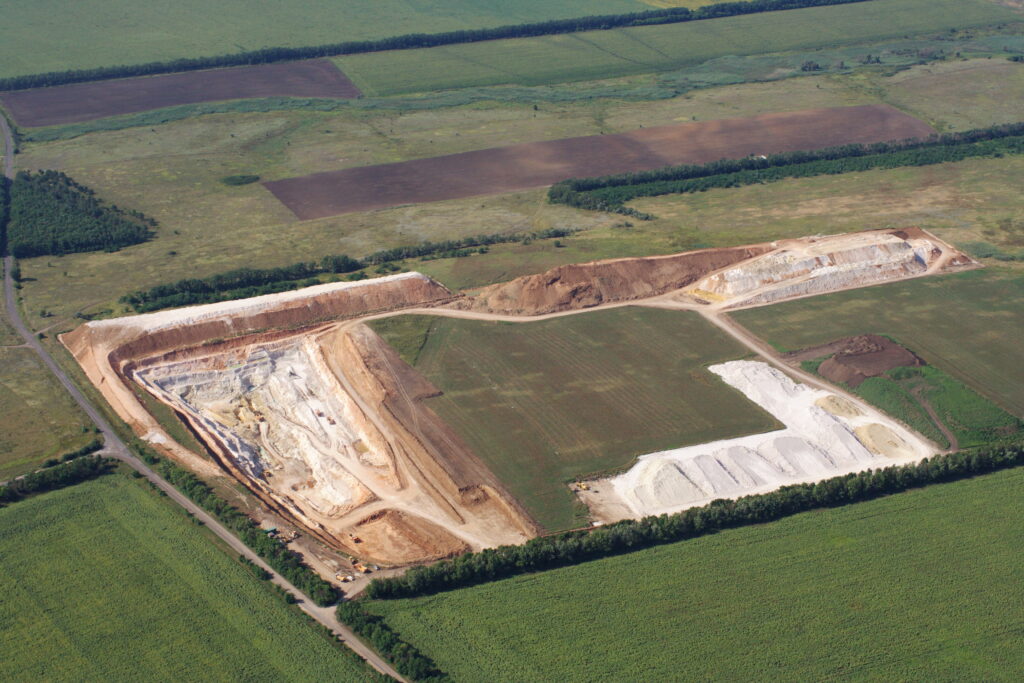
In the VESCO quarry. Ukraine, 2021.
Tell us more about VESCO’s global plans.
Today, the international VESCO group, in addition to Ukraine, is present in Spain, Italy, Romania, and Serbia. Strategically, the Group plans to develop production operations in another 5–6 countries, including exploring investment opportunities in the USA and India.
Currently, to supply raw materials to clients reliably, it is necessary to have a diverse portfolio with different products and different clays.
As I mentioned, the foundation of our exports from Ukraine is white plastic clays. In Europe, darker plastic clays or white non-plastic clays dominate. But all of them are used in ceramic mixtures. And if you have a full range of products, you can offer clients not just a narrow segment but comprehensive solutions, which is a very valuable advantage!
This is why the international VESCO group is focused on other markets, including India. It is a very challenging market, but the team is already at the beginning of this journey, and we can see that there are quite good-quality clays there.
At what stage are your Indian, American, and Turkish plans? By the way, are the Turks competitors of Ukraine in clays?
Regarding Turkey – we are both competitors and not at the same time. Our clays are very different. But Turkey is the largest supplier of feldspar products to the European market. And this market is of interest to the international group because feldspar – I repeat – is the main component for ceramic tiles. Turkey has enormous reserves of very high-quality feldspar.
In India, the international VESCO group is only conducting preliminary research.
I am not ready to speak about the USA yet – that is an even more distant horizon than India.
I understand that comparing the regulatory environment of Ukraine and other countries or discussing the national specifics of each could fill a whole new interview, but in a few sentences – where is it easier to start a mining business from scratch: in Ukraine or in those countries where you now plan to enter mining?
Of course, in different countries there are different conditions, different legislation, different mentalities…
If we talk about Ukraine, as difficult as it may be, we understand exactly what and how to do here. In other countries, before entering any market, you first need to understand the mentality, then study the legislation. And if you are entering a new country for the first time in business, you need to involve local experts to help in everything and explain the specifics. And this process works very differently in different countries.
Is it easier in other countries than in Ukraine? It’s definitely different. And if it’s different, it’s certainly more complicated until you study all the nuances.
But this “different” can still be measured. If not in money, then definitely in time. From the moment you decide to enter a deposit until the raw material reaches the warehouse: where is it faster? In Ukraine or Spain?
In terms of time, launching a quarry for our colleagues took about as long as it would in Ukraine.
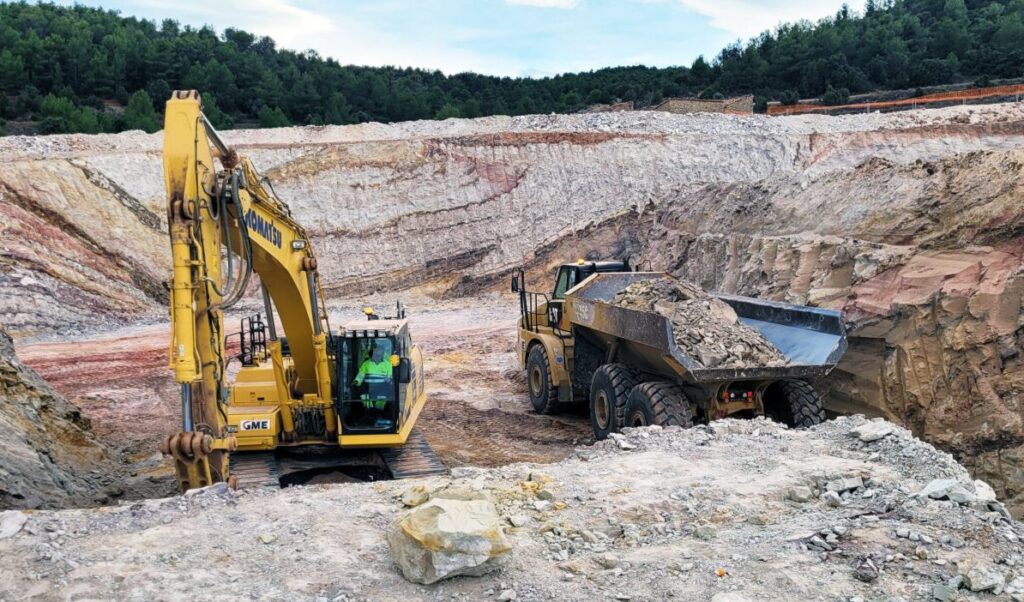
In the VESCO quarry. Spain, 2023. Photo: https://umgi.com/
The project started in 2020–2021, and mining was launched in 2023. By both Spanish and Ukrainian standards, if you “rush,” it takes about two years to launch production from scratch in a similar project. The list of issues you need to resolve is identical: license, geological exploration, land matters, project design, etc.
In Spain, did you buy a license from scratch or acquire a company with a license?
The international VESCO group found partners who already had exploration concessions over very large areas. So they bought the concession and started the project.
Does bureaucracy create obstacles for mining in Spain?
We are used to everything working quickly in Ukraine. In Spain, it feels like nobody is in a hurry. But if they are supposed to deliver documents by a specific date, they will deliver them on the last day, not earlier.
Overall, compared to many other countries, Ukraine is a very advanced society, especially in terms of technology. Take our Diia platform, registries, etc. – many things are done much faster in Ukraine than in many European countries.
Do you remember 2021? When Diia was already functioning, the GeoInform databases were open, the State Geological Portal was launched, and the NSDC published a public audit of subsoil use, there were already several types of interactive maps of mineral deposits in Ukraine freely available… In your observation, in other countries, was it also this easy to access information about mineral deposits as it was in Ukraine before the full-scale invasion?
No!
Ukraine is much more advanced in this regard.
Perhaps it seems this way to me because I live and work in Ukraine and simply know where and what to look for. But still, with our digitalization, we are one step ahead of many countries.
May I ask a political question with a preface?
Please.
We are at war. President Volodymyr Zelensky announced the Victory Plan, one point of which concerns proposals for strategic partners to jointly develop and protect strategic/critical mineral deposits. But the specific configuration of such a proposal is not even clear within the State Geological Service. And our own criteria for classifying subsoil as strategic/critical have not yet been approved.
From your perspective as a top manager with extensive experience in Ukraine and observation of the mining sector in other countries, how should we respond to questions from investors from other countries regarding access to mineral deposits, primarily strategic/critical raw materials? Should the state filter or set criteria for access to such deposits for businesses from other countries?
In answering, I will express my personal opinion. Although, it seems, you have already partially answered the question by asking it…
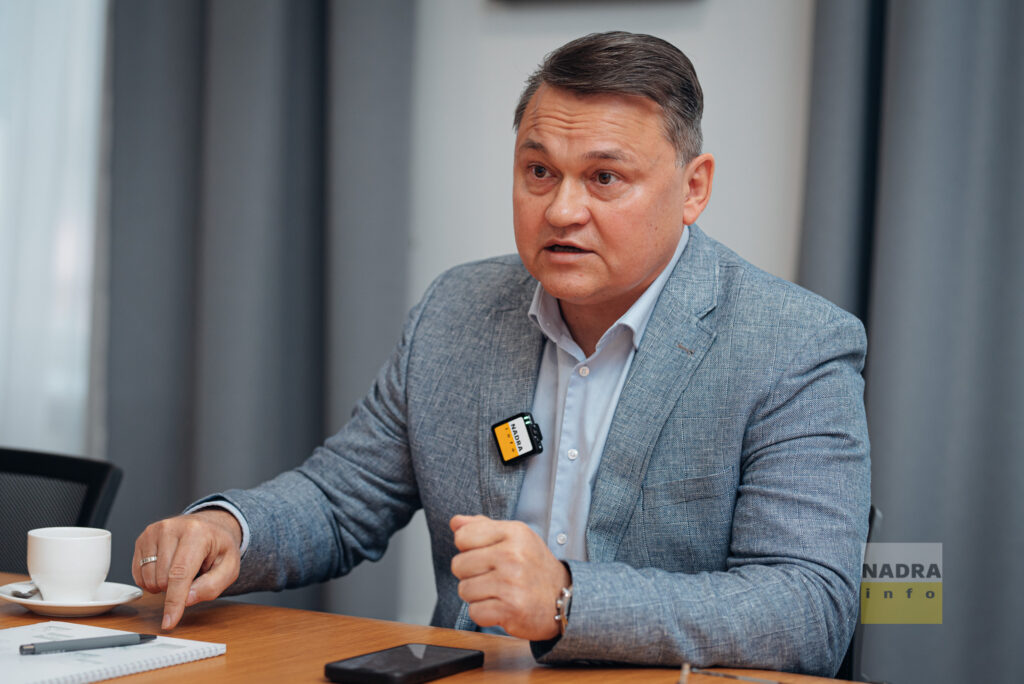
Ukraine will soon require massive investments, without which sustainable development will be impossible. Therefore, we must attract investment wherever we can.
If we look at mineral resources, I see no obstacles. If it’s a responsible, reputable investor with legal funds, strong financial results, market experience, and specialization—why not allow them to develop our deposits?
However, there is one question—should this apply to all deposits? After all, we need to determine which resources are strategic for us and why. Only then can we decide whether Ukraine can manage them on its own without foreign investors. If not, a clear procedure for involving investors—especially foreign ones—under strict reporting requirements should be established, and only then should access to strategic deposits be granted.
But this depends on how capable we are of investing in this area ourselves.
The overall answer is this: if our international group can invest in other countries, then why shouldn’t Ukraine—which desperately needs investment—attract similar investors from abroad?
I emphasize, however, that this is my personal opinion.
Finally, I’ll allow myself a personal question. Observing many conflict cases in the subsoil sector, it seems that in Ukraine the interests of key stakeholders—business, communities, and the state—are still unbalanced. One model that can create such a balance is equity capital. This is how it works in the US, Canada, the UK, and Australia, where funds are raised for mining projects via stock exchanges. In your view, could equity capital raised for Ukrainian subsoil assets on Ukrainian exchanges serve as a starting point for investment in the mining sector? For example, after a certain transition period, subsoil users could only be joint-stock companies, with shares traded freely on the Ukrainian market… What do you think about this?
I believe Ukraine will sooner or later move in this direction. However, there must first be a clear and transparent stock market.
And are Ukrainian companies ready for this today? That depends on where and how subsoil users want to raise capital for development. Today, the Ukrainian stock market is still in its early stages. But in the future—why not?